
An essential journey through contemporary art at the Reina Sofía Museum
This museum houses some of the most important works of the 20th century, a period that invites us to view art from a critical and reflective perspective. Its depth is such that we want to take you on a carefully planned route through the Reina Sofía Museum, designed to help you make the most of your visit by discovering the different floors and what each one offers, so you know where it is truly worth stopping.
Before starting your visit to the Reina Sofía Museum
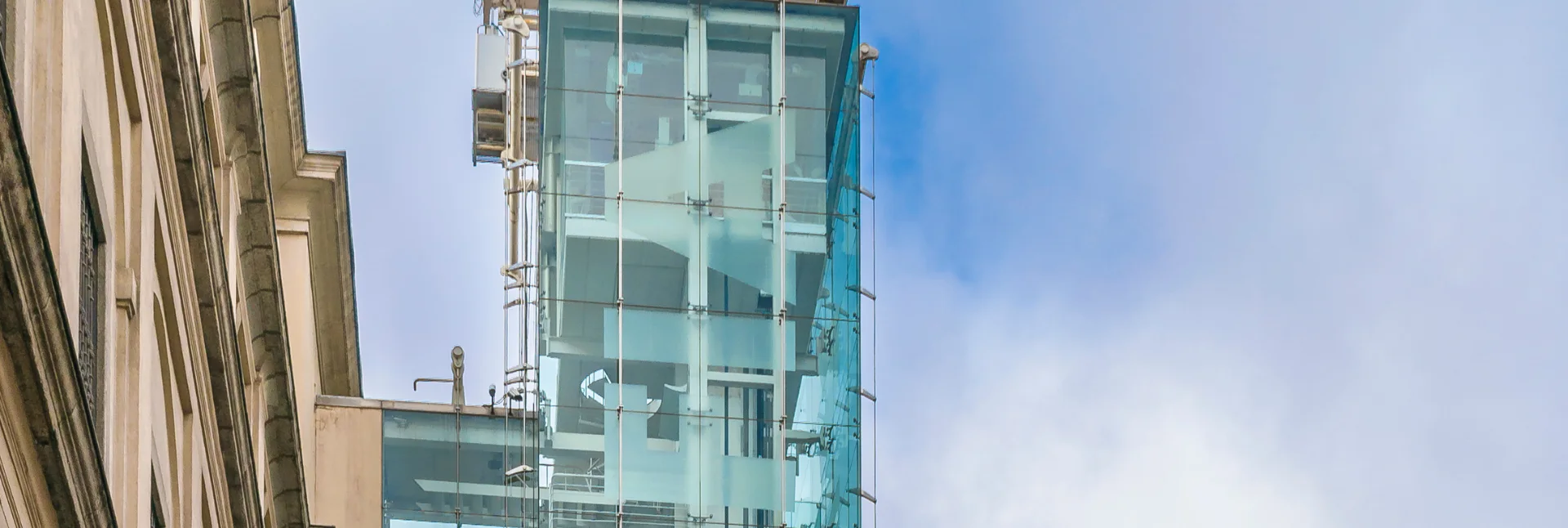
Before entering the galleries, it is important to understand how the museum is organized. The Reina Sofía is mainly spread across two buildings, Sabatini and Nouvel, and its permanent collection is structured both chronologically and thematically.
It is worth knowing from the outset that the first floor is dedicated to temporary exhibitions, which change throughout the year. These exhibitions sometimes require a specific ticket or a ticket option that includes temporary exhibitions, something to keep in mind when purchasing your Reina Sofía tickets.
Floor 0: the starting point of the visit
Floor 0 is the museum’s reception area. Here you will find essential services such as visitor information, access points, cloakrooms, and common areas. Although it is not an exhibition floor, it plays a key role in the overall organization of the museum.
Floor 1: temporary exhibitions and contemporary creation
Floor 1 is reserved for temporary exhibitions, one of the main attractions of the Reina Sofía Museum. These exhibitions change periodically and usually focus on contemporary movements and discourses.
As mentioned above, please note that some temporary exhibitions may require a specific ticket or be included only in certain ticket types, so it is advisable to check this before entering.
Floor 2: historical avant-gardes and the heart of the museum
On Floor 2 we reach the true core of the Reina Sofía Museum route. Here you will encounter the historical avant-gardes and art produced during a period marked by political, military, social, and cultural tensions.
Guernica and its context
Here you will find the most important work in the museum: Guernica by Pablo Picasso. Beyond its visual impact, the way the gallery is arranged allows visitors to understand the historical and creative context of the work, turning the visit into a deeply reflective and emotional experience.
Our recommendation is to spend time in this room, observe the details, read the explanatory texts (if you are not joining our guided tour), and understand the creative process behind one of the great universal symbols against war.
Surrealism and the break with traditional visual languages
The route continues with works that explore surrealism and new forms of artistic expression that emerged in the early decades of the 20th century. Painting, cinema, and visual experimentation come together to show how artists broke away from established norms and sought new ways to represent reality and the unconscious.
Cubism and new ways of seeing
On this same floor, visitors can observe the evolution of cubism and its influence on later art. The fragmentation of form, the multiplicity of viewpoints, and the break with traditional perspective mark a turning point in the history of art.
Floor 3: terraces and dialogue with space
We now reach Floor 3, located on the terraces of the Nouvel building, which offers a different experience within the museum. Here, art is directly integrated with architectural space and the urban environment, encouraging a more open and somewhat experimental reflection.
This level represents a transition between the historical avant-gardes and the art of the second half of the 20th century. We recommend including this floor in your route if you have time, as it provides a visual and conceptual pause before continuing—a small breath of fresh air during the visit.
Floor 4: art after 1945
Floor 4 is dedicated to art produced after the Second World War. Here, visitors are confronted with a radical shift in artistic languages, where material, gesture, and abstraction take center stage.
Abstraction, material, and emotion
The works on this floor reflect a constant search for new forms of expression. The relationship between the artist and the material becomes essential.
Art, politics, and social critique
Another key focus of this floor is the political and social commitment of art. Through powerful images and languages close to popular culture, artists reflect on power, historical memory, and the media. This floor undoubtedly complements and completes what is presented on the second floor of the building.
Tips for organizing your visit to the Reina Sofía Museum
Planning your route in advance can make a real difference, especially if you have limited time. In addition, to avoid queues and secure access, we recommend purchasing your Reina Sofía tickets in advance, particularly on weekends and during peak season.
Although the museum can be visited independently, a guided tour provides context, depth, and connections that greatly enrich the experience. As specialized guides, we explain the key works clearly and engagingly, accompanying you and helping you discover all the nuances of the Reina Sofía.